
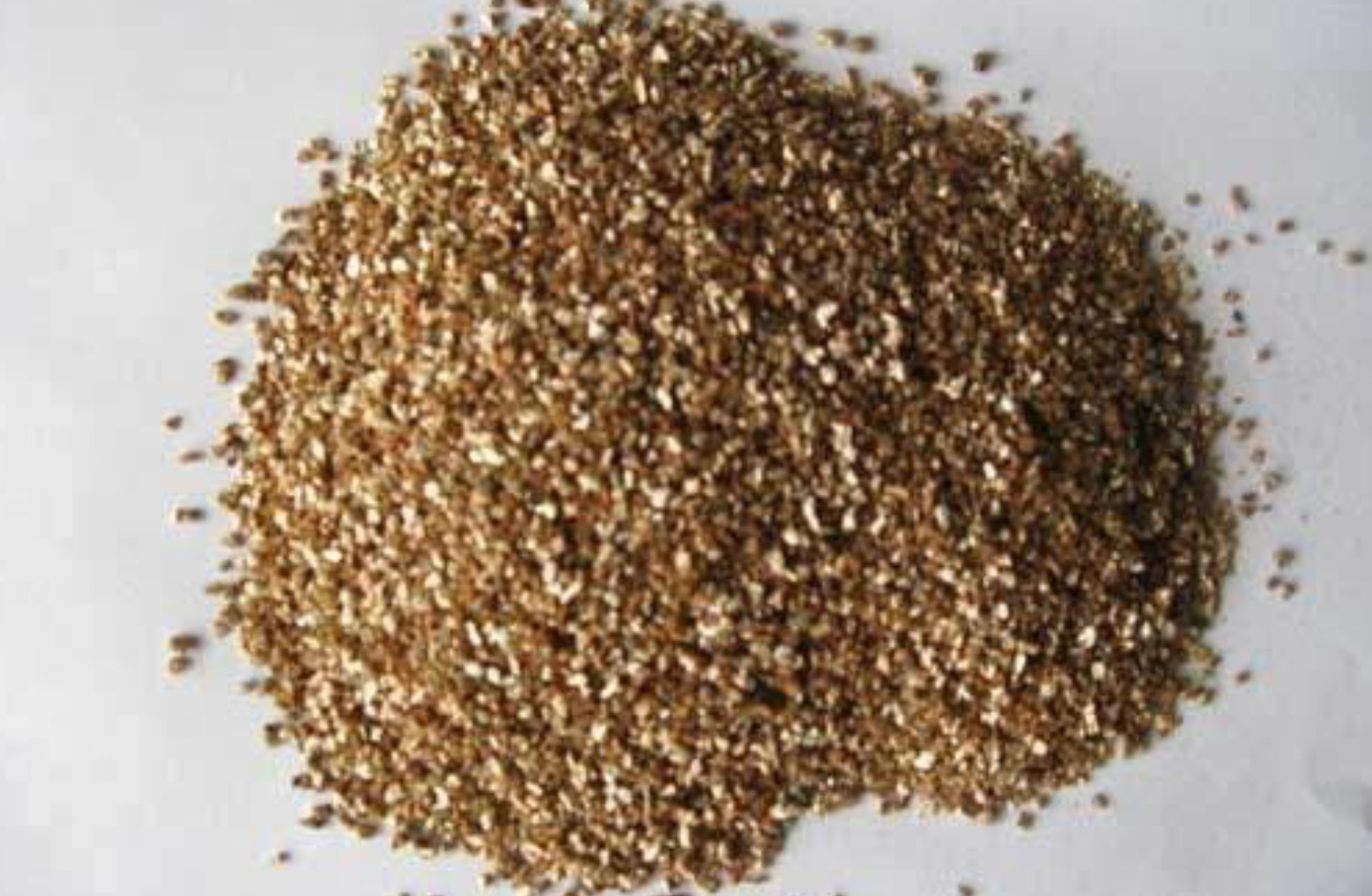
Vermiculite is a hydrous phyllosilicate mineral that expands when heated. When exfoliated, vermiculite is used as a lightweight aggregate in construction materials, insulation, and horticultural applications. It is also used as a soil conditioner in agriculture and as a carrier for chemicals in industry. In construction materials, exfoliated vermiculite is used as a lightweight aggregate in lightweight concrete, plaster, and mortar. It is also used as an insulating material in fireproofing and as a soundproofing material. In horticulture, exfoliated vermiculite is used as a soil amendment to improve soil structure, water retention, and drainage. It is also used as a rooting medium for cuttings and as a seed starter.
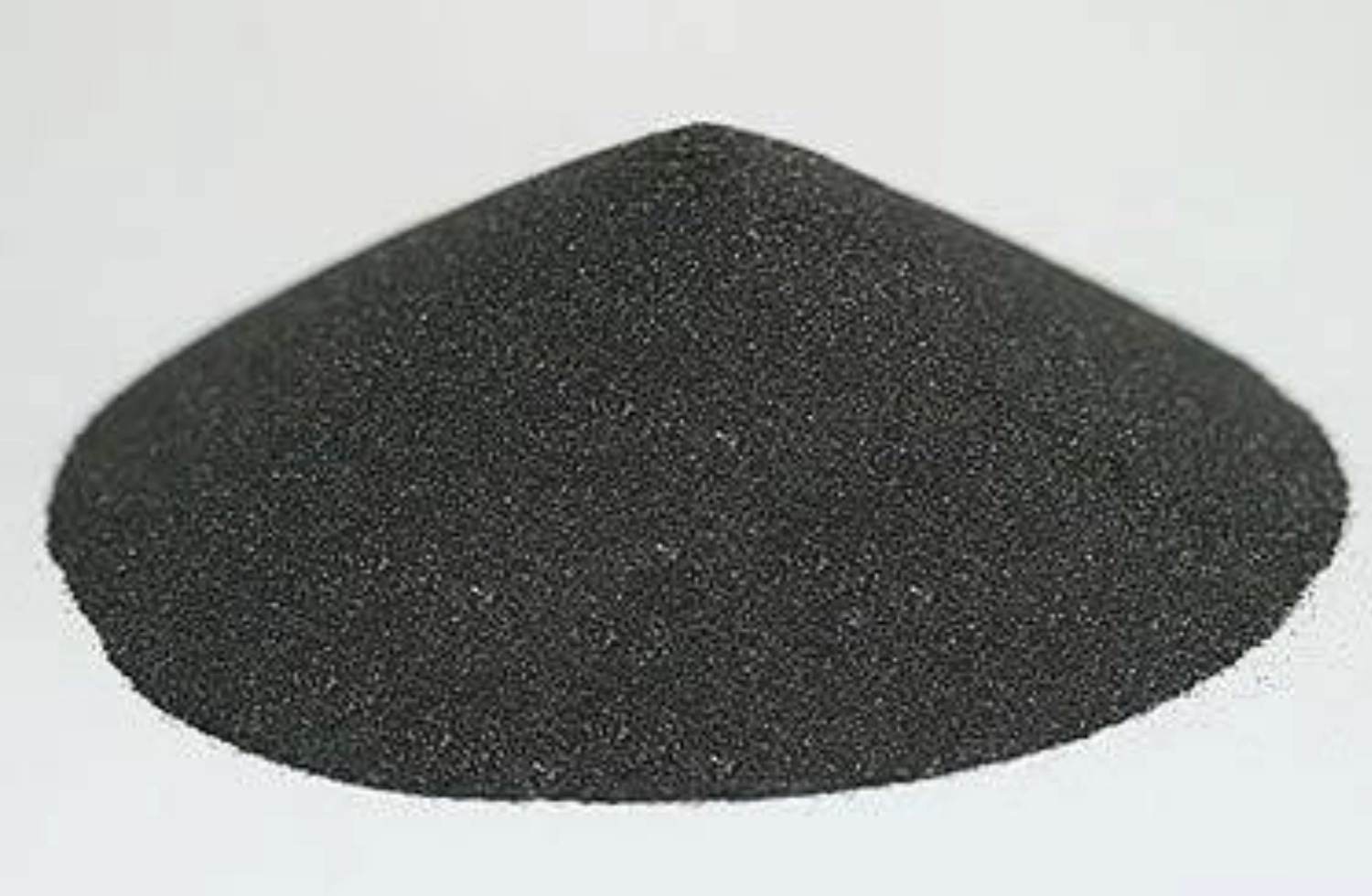
Illmanite is a rare mineral that is found only in certain parts of the world. It has a wide range of uses in various industries, including the pigment and steel industries. Over 96% of the world’s Illmenite is used in the form of titanium dioxide (TiO2), which has a variety of strategic applications. The production capacity is currently 500,000 metric tonnes per year and is expected to increase as market conditions allow. The company produces several grades of high-quality sulphate grade Illmenite, which are becoming increasingly popular due to their low levels of Fe203, U, Th, Cr2O3 and other impurities, as well as their good digestibility.

Rutile is a major titanium ore that is used in the manufacturing of a variety of products, including titanium dioxide pigments, titanium metal, and high-tech alloys. Its light weight, high strength, and resistance to corrosion make it an ideal material for these applications. Despite its reddish color, rutile appears black to the naked eye. More than 90% of rutile is used as a feedstock for the production of white pigments, with the remainder used for the production of titanium sponge and titanium metal. In India, rutile sand is mainly used in the welding electrode industry. Rutile ore is abundant in countries such as Australia, India, South Africa, Ukraine, and Sierra Leone, with smaller deposits found in Sri Lanka, Malaysia, Madagascar, Brazil, and Mozambique.

The Sillimanite, also known as fibrolite is a stone that makes you feel delightful and fortunate to be alive. Sillimanite is highly exceptional and is found in two forms to include clear and glassy, or silky, and fibrous. In the fibrous form, the crystals are long slender prisms that look like fiber due to which is also known as fibrolite. The glassy stones are the ones that are used for making gemstones in jewellery because of their beautiful appearance. The sillimanite crystal is mostly available in the colour of green, but can also be in yellow, blue, white, or brown. The sillimanite hardness ranges from 6-7 making the stone difficult to cut.

Zircon is a naturally occurring mineral that is found in a variety of geological environments. It is typically a transparent or translucent, pale yellow to pale brown mineral with a vitreous luster. Zircon is known for its high refractive index and dispersion, which makes it useful in a variety of industrial applications. In addition to its use in ceramics, zircon is also used in the production of refractories, which are materials that are resistant to high temperatures and wear. Zircon is also used in the production of zirconia, a high-tech ceramic material that has a range of applications, including use in cutting tools, abrasives, and wear-resistant coatings.

We have extensive experience in iron-ore processing, and can meet the specifications of the most discerning buyers. We have expertise in size reduction, sizing separation, classification, magnetic separation and dry-solids handling. For decades, we have been at the forefront of innovation in India. We were the first to include a high-gradient magnetic separator in our process flow, thus reaching the upper limits of recovery technology. In addition to in-plant processes, we deploy mobile dry processing units at numerous locations to provide high-grade run-of-mine ore directly for haulage to customers.
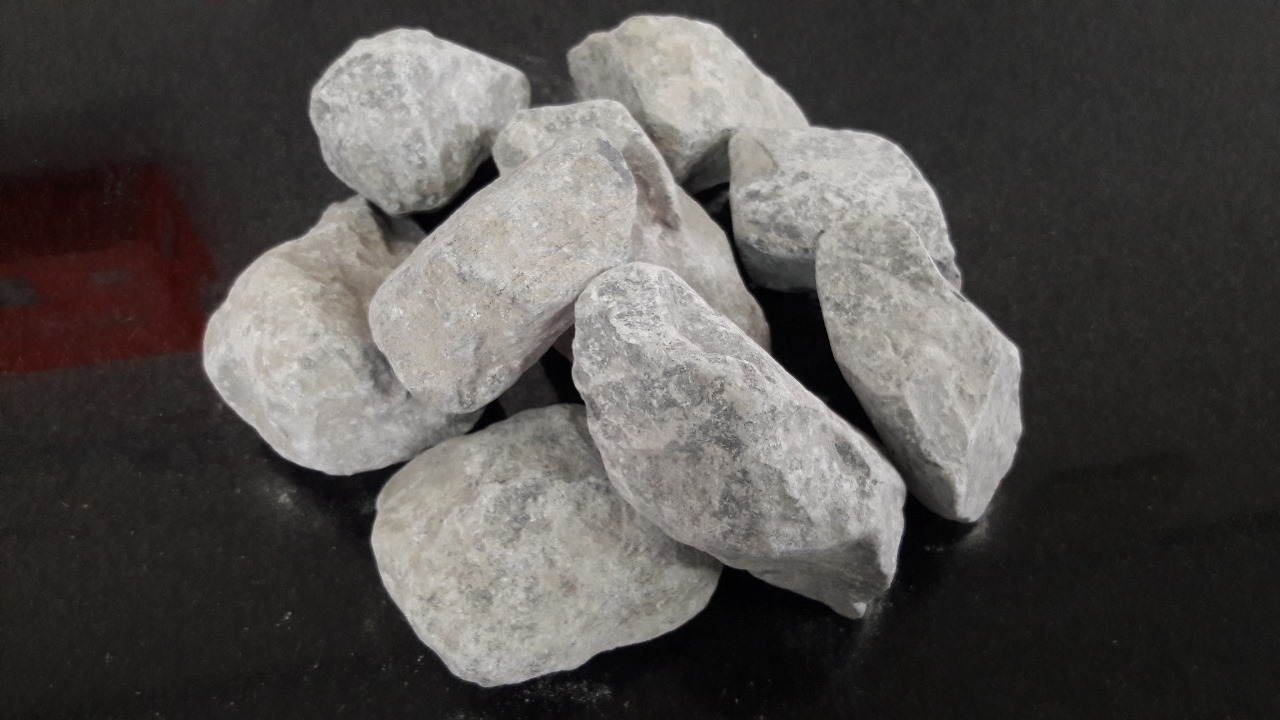
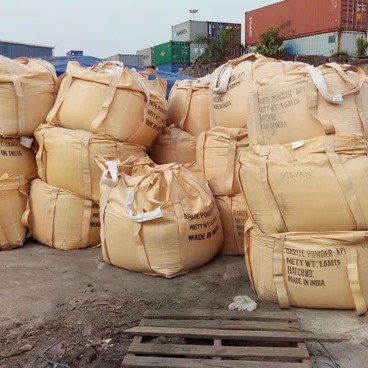
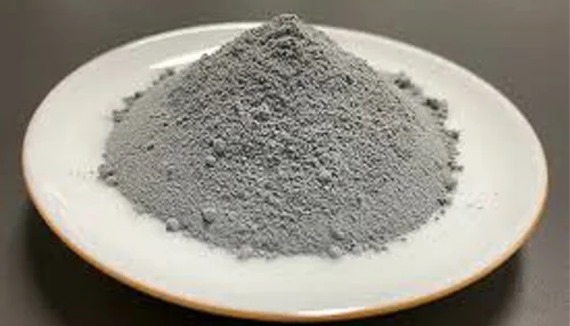
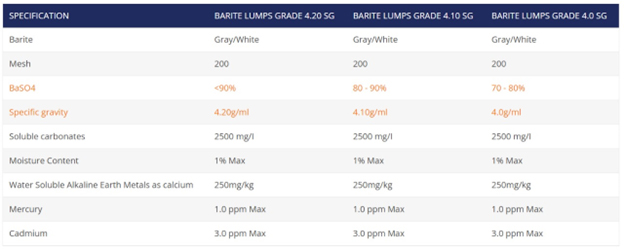
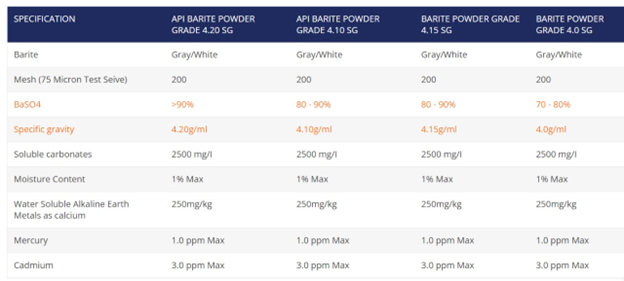
The name baryte is derived from the greek word βαρύς (heavy). It is a mineral consisting of Barium Sulfate (BaSo4) and the primary source for producing Barium. India is one of the top producing countries of baryte and indian baryte is well accepted in various applications including as a constituent of drilling mud in oil exploration industry.
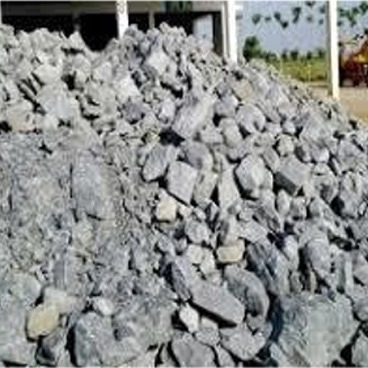
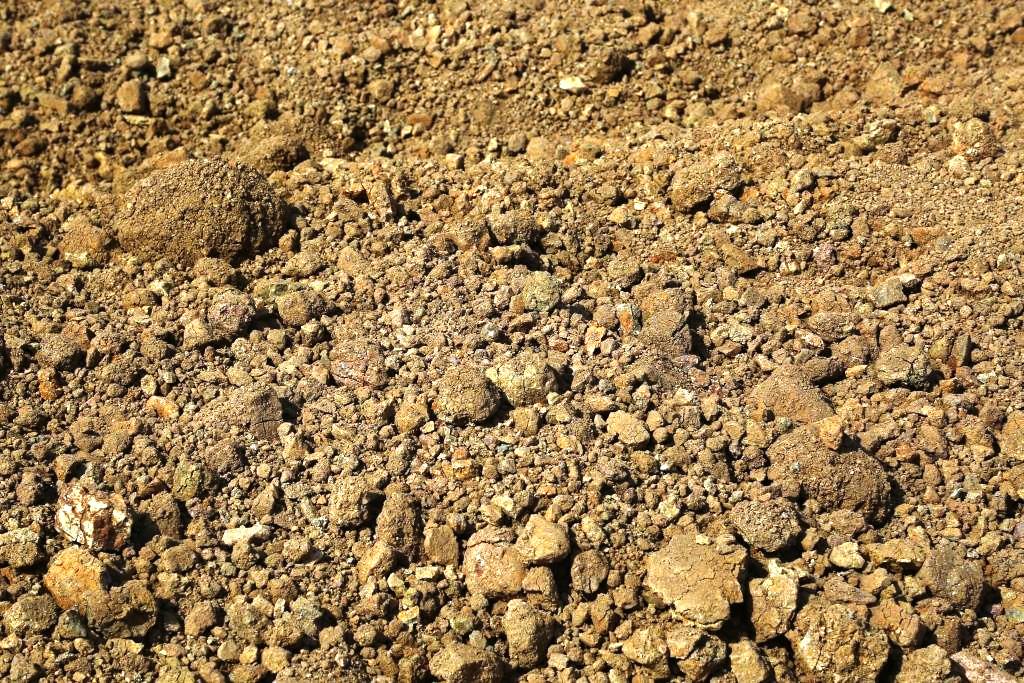
Bentonite is a clay generated frequently from the alteration of volcanic ash, consisting mainly of smectite minerals, usually montmorillonite. In addition to montmorillonite, bentonite may also contain quartz, feldspar, calcite and gypsum. Bentonite displays strong colloidal properties and its volume increases several times when coming into contact with water, creating a gelatinous and viscous fluid. The special properties of bentonite (hydration, swelling, water absorption, viscosity, thixotropy) makes it a valuable material for a wide range of uses and applications.

Our products include Fullers Earth Granular, Natural Earth (Futlers Earth), Activated Bleaching Earth, Carbon Blended Earth and Carbon. Our products are used in refining vegetable oils like Sun Flower Oil, Palm Oil, Soyabean Oil, Corn Oil, Rice Bran Oil etc and also used in minerals olls like transformer oil, wax refining
We have Bentonite mineral process & manufacturing in the form of granules & product absorbent used in refining of all the same kinds of edible oil.


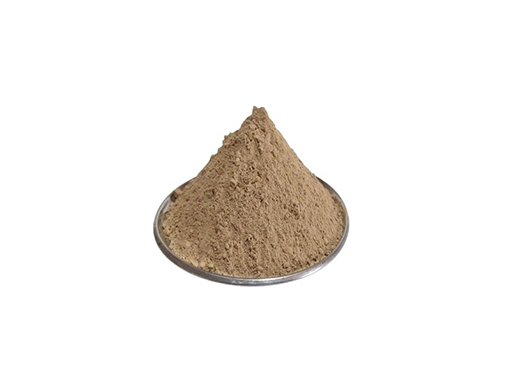
Sodium bentonite is a type of bentonite clay characterized by its high sodium content. It is formed from the alteration of volcanic ash deposits over time. It consists of montmorillonite, a type of smectite clay mineral, along with other minerals like quartz, feldspar, and gypsum.
Sodium bentonite has a high swelling capacity when hydrated, forming a gel-like substance. It also exhibits excellent absorbent properties and cation exchange capacity.
Sodium bentonite deposits are found in various regions worldwide, including the United States, China, India, and Turkey.
Sodium bentonite is typically mined using open-pit or underground mining methods and then processed through drying, grinding, and beneficiation.
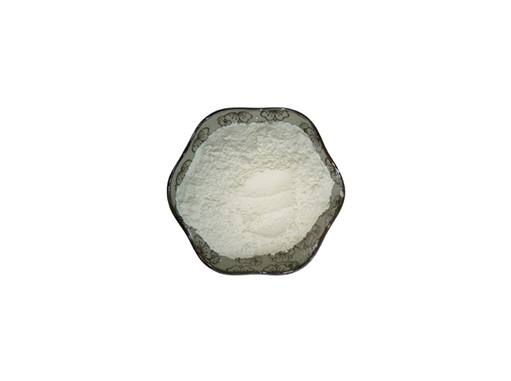
Calcium bentonite is a type of bentonite clay characterized by its high calcium content. It is formed from the weathering and alteration of volcanic ash deposits.
It primarily consists of montmorillonite, a type of smectite clay mineral, along with other minerals such as quartz, feldspar, and calcite.
Calcium bentonite has a lower swelling capacity compared to sodium bentonite but still exhibits good swelling properties when hydrated. It also possesses absorbent and cation exchange properties. Calcium bentonite deposits are found in various regions worldwide, including the United States, China, India, and Australia.
Calcium bentonite is typically mined using open-pit or underground mining methods and then processed through drying, grinding, and beneficiation.
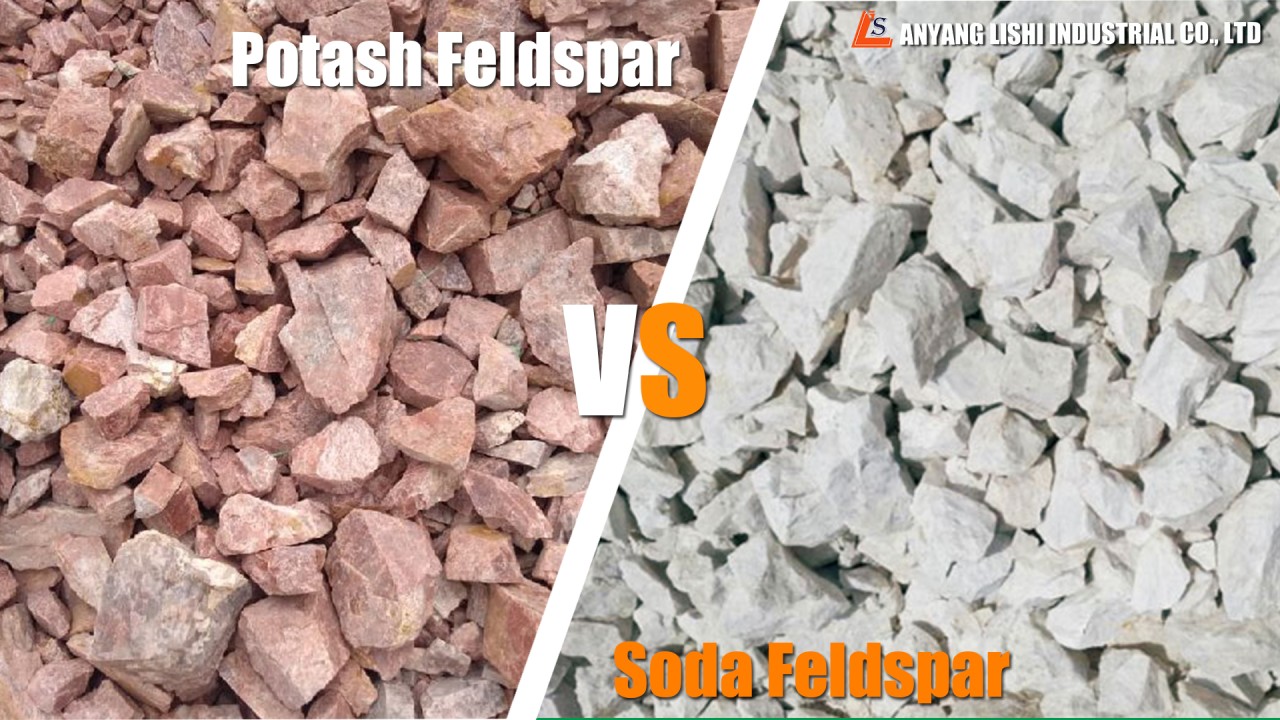
Feldspar comprises a group of minerals containing Potassium, Sodium, Calcium and Aluminium Silicates and constitutes most common and very important group of rock forming minerals. Most commercial Feldspars occur in Pegmatites associated with one or more accessory minerals like Quartz, Mica, Garnet, Tourmaline and Kaolinite.

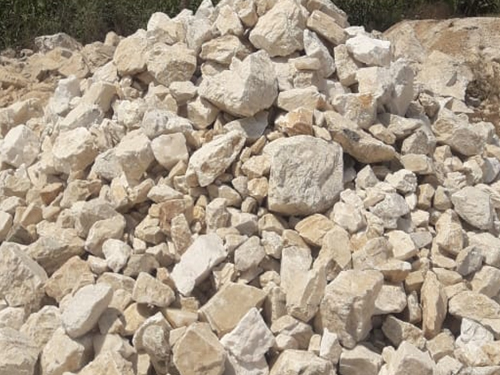
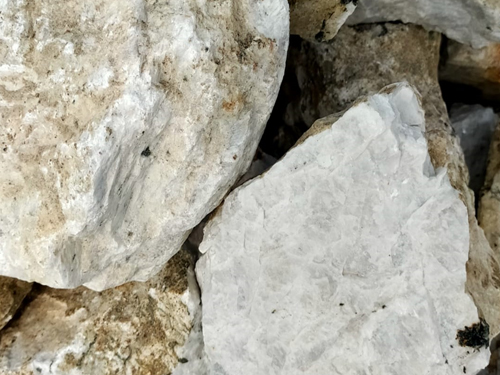
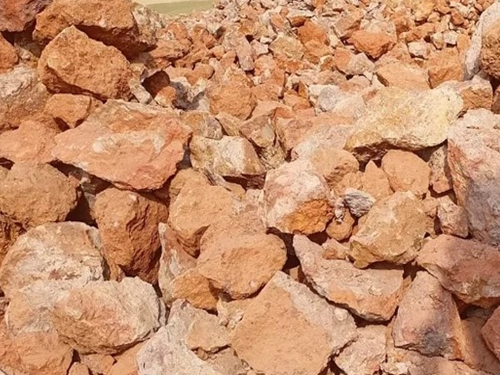
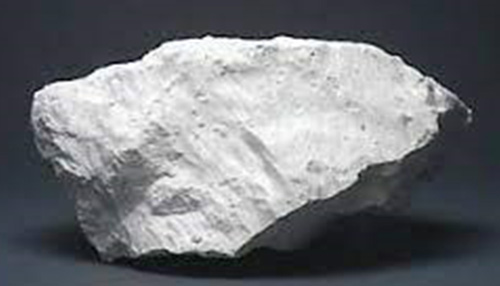
clay is a type of mineral which is deposited in Ancient River Basins by weathering and transportation by water of parent rocks.Clays are kaolinitic sedimentary clays that commonly consists of 20-80 % Kaolinite, 10-25% Mica , 6-65% Quartz.
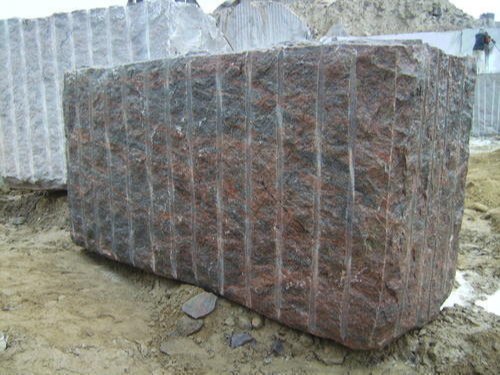
Beauty of mother earth is highlighted even more through the exquisite range of dimension stones found all across the world. And indian dimension stones are nothing short of “Poetry in Nature”. The timeless and classical example of these beauties which all of us revere and look at in awe - is our beloved “Taj Mahal”. Oreandoil believes in “Delivering the finest quality from the Depths of the Earth”. Our stone division perseveres to offer a range and variety in stone that is exceptional, exquisite but in a cost effective manner.
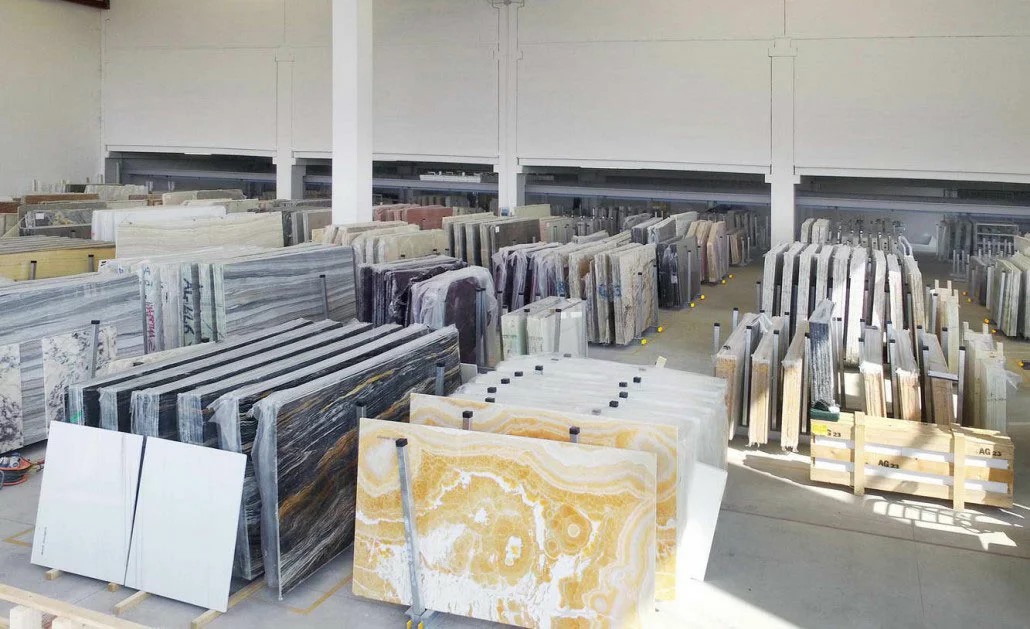
Beauty of mother earth is highlighted even more through the exquisite range of dimension stones found all across the world. And indian dimension stones are nothing short of “Poetry in Nature”. The timeless and classical example of these beauties which all of us revere and look at in awe - is our beloved “Taj Mahal”. Oreandoil believes in “Delivering the finest quality from the Depths of the Earth”. Our stone division perseveres to offer a range and variety in stone that is exceptional, exquisite but in a cost effective manner.

Coal remains the single largest source of the world’s electricity supply and likely to remain so for atleast another decade - to meet the ever increasing energy demands of Homes, Commercial Estabishments and Industries. Unlike other Fossil Fuels - Coal only needs to be mined before it can be used. Other Fossil Fuels must be refined, using lengthy and costly processes. Coal is easier and safer to transport, store and handle than alternate highly flammable fossil fuels like oil & gas or nuclear materials. Coal is also significantly cheaper, more accessible than other fossil fuels and its reserves are distributed much more equally around the planet. India too has vast reserves of coal. However the mining by state owned Coal India Ltd. (CIL) falls short of the demand. India imports nearly 170 million MT coal annually
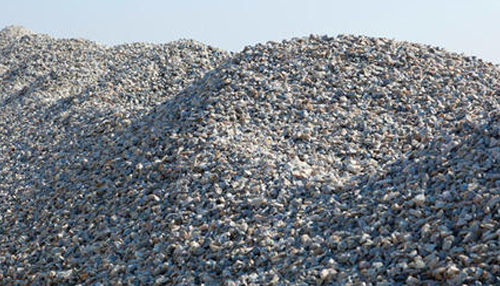
Construction aggregate, or simply "aggregate", is a broad category of coarse to medium grained particulate material used in construction, including sand, gravel, crushed stone, slag, recycled concrete and geosynthetic aggregates. Aggregates are the most mined materials in the world.
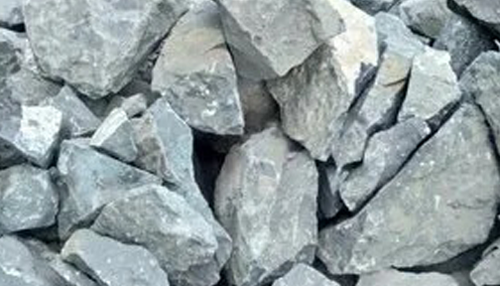
Scientists often think of a boulder in more technical terms than we do. They use the word to describe not just a big rock, but a rock that some natural force — a river, a glacier or the like — has moved from its original location to its present one. A good way to remember all this is to think of Boulder, a city in Colorado that stands in the middle of the Rocky Mountains, and is, no doubt, full of boulders.
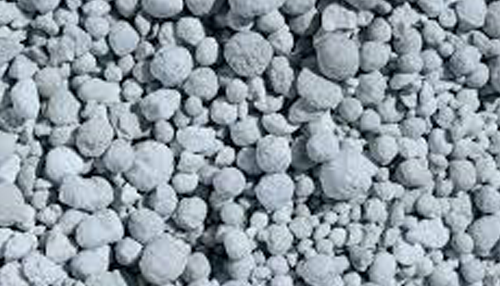
clinker is made by heating a homogeneous mixture of raw materials in a rotary kiln at high temperature . The products of the chemical reaction aggregate together at their sintering temperature, about 1,450 °C (2,640 °F). Aluminium oxide and iron oxide are present only as a flux to reduce the sintering temperature and contribute little to the cement strength. For special cements, such as low heat (LH) and sulfate resistant (SR) types, it is necessary to limit the amount of tricalcium aluminate formed. The major raw material for the clinker-making is usually limestone mixed with a second material containing clay as source of alumino-silicate. Normally, an impure limestone which contains clay or silicon dioxide (SiO2) is used. The calcium carbonate (CaCO3) content of these limestones can be as low as 80%. Second raw materials (materials in the rawmix other than limestone) depend on the purity of the limestone.
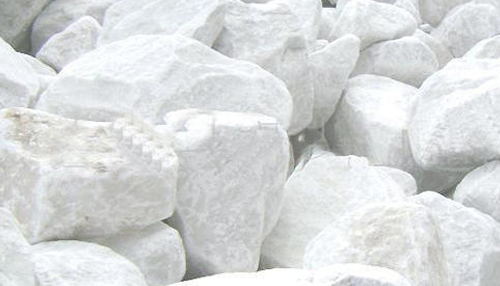
Limestone is a sedimentary rock which is often composed of the skeletal fragments of marine organisms such as coral, foraminifera and molluscs. Its major materials are the minerals calcite and aragonite, which are different crystal forms of calcium carbonate (CaCO3).

Silica (SiO2) sand is the sand found on a beach and is also the most commonly used sand. It is either made by crushing sandstone or taken from natural occurring locations, such as beaches and river beds. The fusion point of pure silica is 1,760 °C (3,200 °F), however the sands used have a lower melting point due to impurities. For high melting point casting, such as steels, a minimum of 98% pure silica sand must be used; however for lower melting point metals, such as cast iron and non-ferrous metals, a lower purity sand can be used (between 94 and 98% pure).
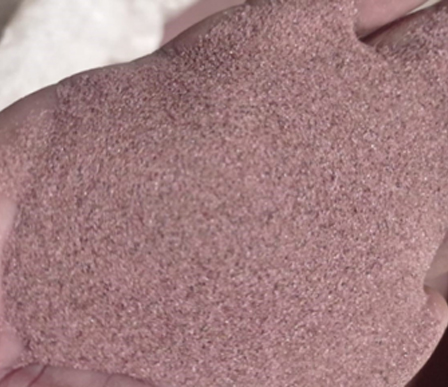
Almandine
Garnet is one of the best Natural abrasives and is preferred over other natural Abrasives like silica sand, Mineral Sands & Flint.
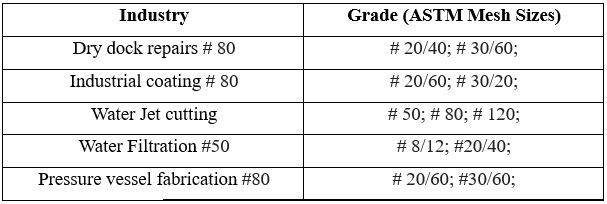
The major industrial uses of almandine Garnet are :
The major industrial uses of almandine Garnet are :
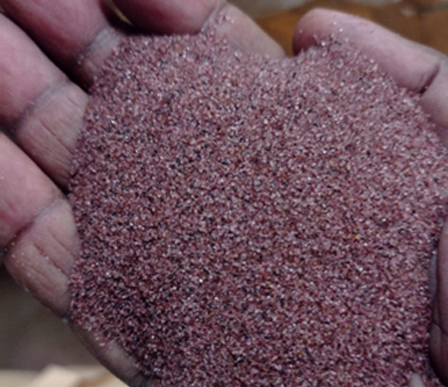
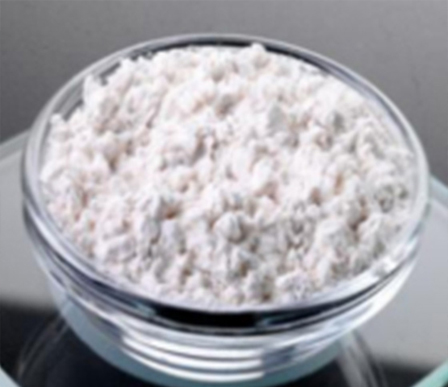
Natural Tapioca Starch derived from Cassava roots is a free-flowing fine white powder
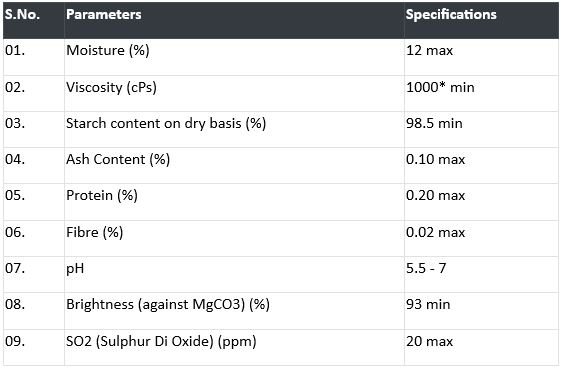
*Brookfield Viscometer at 50°C in 5% solution, Rpm 10, Spindle no.02, Viscometer model: RVDV II +; Viscosity are measured after the starch is sieved through 100 (Count per inch) mesh screen.
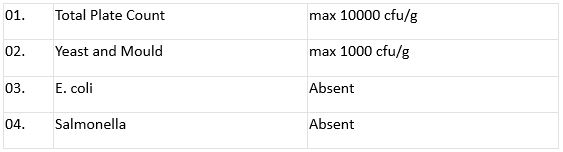
Available in 25kg, 50kg PP Bag / Multiply Paper Bag / Sandwich Paper Bag with/without inner liner and in Jumbo Bags (PP).
One year from the date of manufacturing.
Yellowish White free flowing powder.
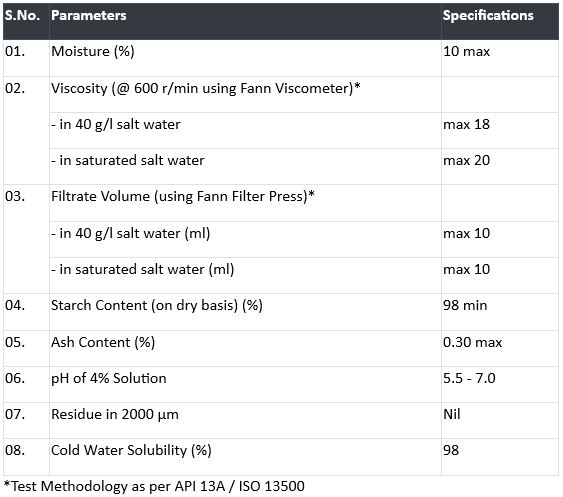
Available in 25kg, 50kg PP Bag / Multiply Paper Bag / Sandwich Paper Bag with/without inner liner and in Jumbo Bags (PP).
One year from the date of manufacturing.
Yellowish White free flowing powder.
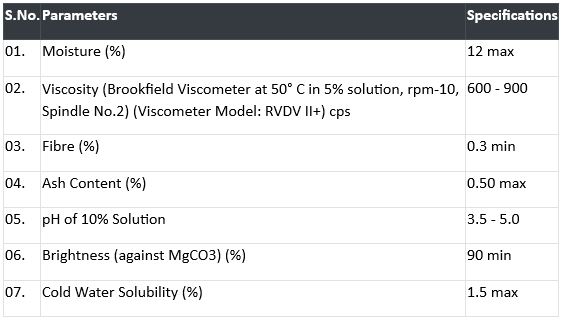
Available in 25kg, 50kg PP Bag / Multiply Paper Bag / Sandwich Paper Bag with/without inner liner and in Jumbo Bags (PP).
One year from the date of manufacturing.
Modified starch, creamy powder.
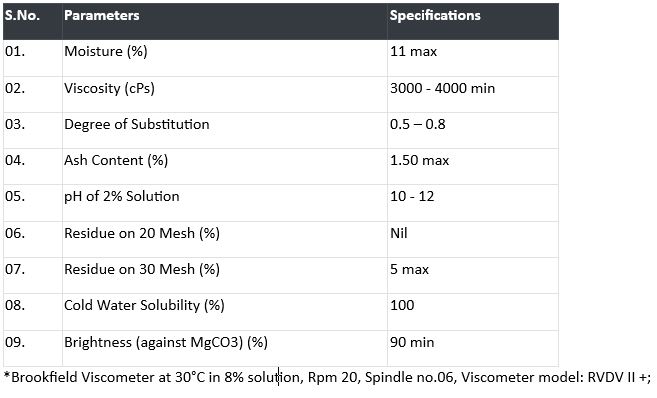
It minimizes the consumption of paint and gives uniform coating on the surface.
Available in 25kg, 50kg PP Bag / Multiply Paper Bag / Sandwich Paper Bag with/without inner liner and in Jumbo Bags (PP).
One year from the date of manufacturing.